

Advancing Tuvalu’s Fisheries Through Strategic Asset Management
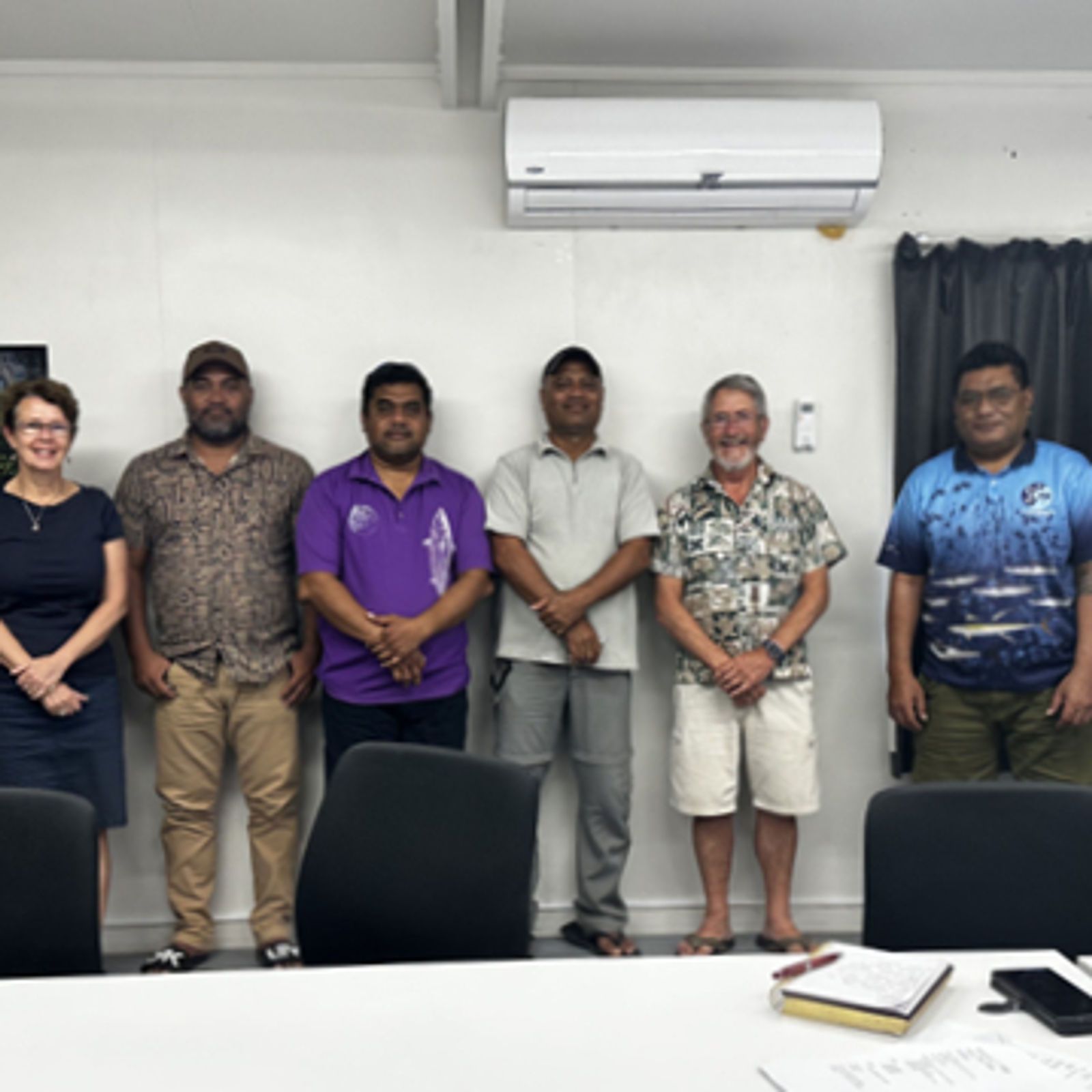
Developing asset and building-maintenance plans for Tuvalu Fisheries Department’s facilities, vehicles, vessels and equipment.
The challenge
The Tuvalu Fisheries Department is a critical player in the country’s economic development and food security and relies on its physical assets to fulfil its functions. With assets including buildings, motor vehicles, vessels, equipment, and office furniture worth approximately AUD 4.8 million, efficient asset management is important. However, Tuvalu’s challenging geographic isolation and coastal environment—with salt-laden air, high humidity, and tropical temperatures—accelerates wear and tear, requiring consistent and proactive maintenance strategies to protect these assets' longevity and functionality. Recognising these challenges, the Tuvalu Fisheries Department contracted Future Partners Ltd to develop a comprehensive Asset Management Plan along with the Building Maintenance Plan, to ensure long-term operational efficiency.
What we did
- Review of assets: Future Partners’ Associate Jonathan Fletcher conducted an in-depth review of the Tuvalu Fisheries Department’s office building and facilities to assess their overall condition and identified areas requiring immediate intervention, due to salt corrosion, wear and tear, fire safety, and deferred maintenance. Recommendations were made for using materials and coatings chosen to best withstand the harsh environment.
- Developing asset management processes: the Asset Management Plan established a systematic approach to asset control and maintenance — regular inspections and cleaning (scheduling building exterior cleaning every three months to mitigate salt corrosion, supplemented by annual thorough inspections); efficient repairs and maintenance (clear guidelines for prioritising and planning repairs, categorised as urgent, routine, and long-term); a dedicated asset management team (including an Asset Controller/Procurement Manager and supporting maintenance officers); and asset tracking (deploying asset management software to record asset location, condition, depreciation, and maintenance history, with staff training to maximise its use).
- Integrating fire and safety measures: installing smoke detectors and fire alarms in critical areas; conducting annual checks on fire safety equipment, including smoke detectors, fire alarms, extinguishers, and emergency exit signs; and organising bi-annual fire drills so staff can evacuate the building swiftly and safely.
- Budgeting and supply chain management: introducing a rolling five-year budgeting and planning framework to meet depreciation, repairs, and replacement requirements; using it as the basis for an annual plan of works and asset replacement; forward-ordering essential supplies and spare parts to counter the logistics delays inherent in Tuvalu's geographic location; and recommending secure, organised storage for asset management supplies.
Nearby in the atlas
Related case studies
 Plan Asia · regional
 New Zealand's Government-to-Government Development Initiative in Asia
NZ G2G · MFAT

Tackling Invasive Species in the Pacific: A Collaborative Strategy
MFAT · Manatū Aorere

Evaluation of Kōtui, Oxfam Aotearoa’s Negotiated Partnership Programme
Oxfam Aotearoa · MFAT