

Building Competency: Advancing Skills Training in the Pacific
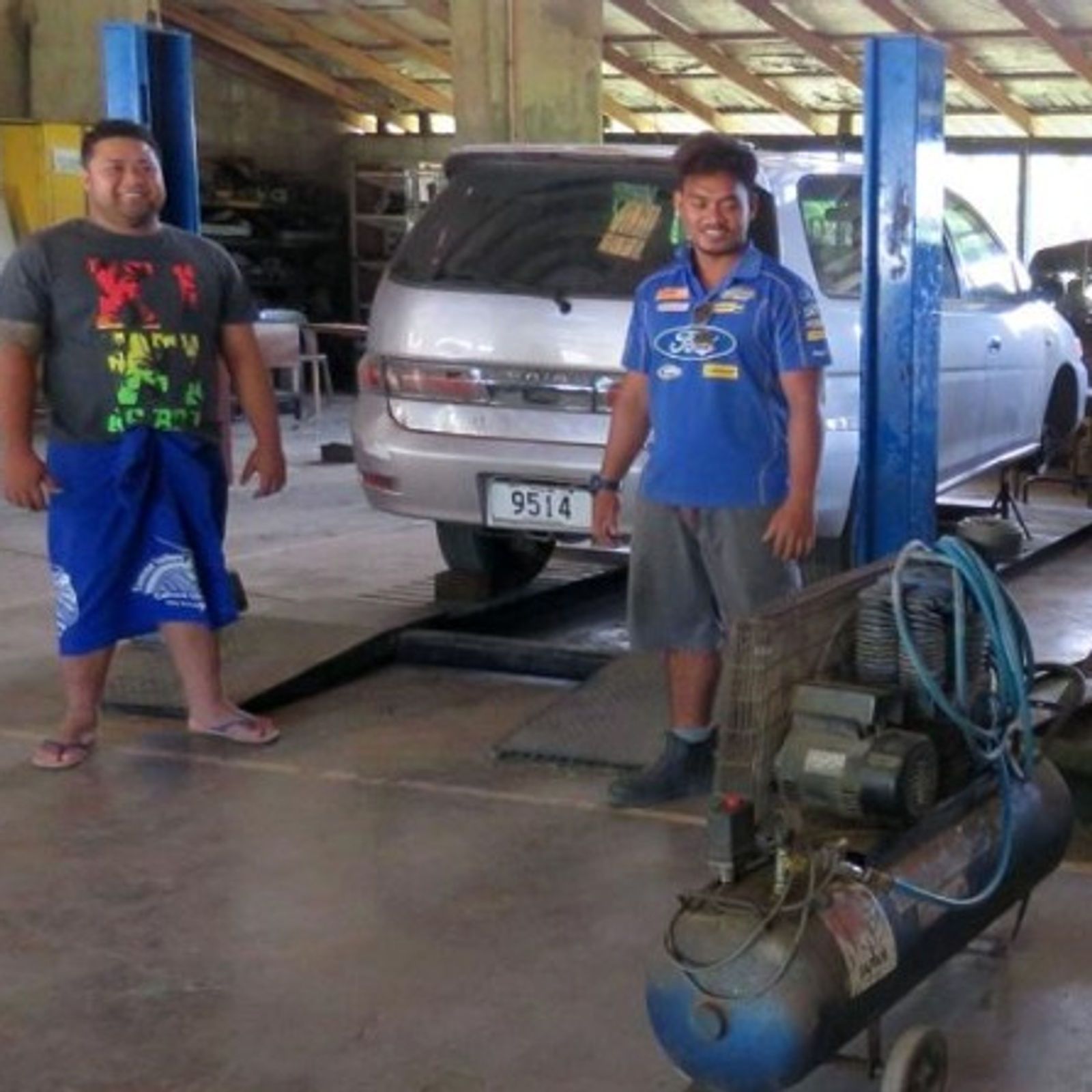
Evaluating competency-based training in Fiji, Samoa, Tonga and Vanuatu to guide the programme’s expansion.
The challenge
The International Skills Training (IST) Courses Programme was crafted to bridge competency gaps and meet global workforce demands. Implemented in Fiji, Samoa, Tonga, and Vanuatu from 2017 to mid-2019, this Australian-funded programme needed evaluation to assess its impact on the shift towards competency-based training in the Pacific and to offer insights for enhanced outcomes.
What we did
- The evaluation began with stakeholder consultations and document reviews to tailor the evaluation questions and programme logic.
- Data collection spanned over 150 interviews, including 64% of course participants, and was conducted across rural and urban areas. Independent interviews with managers, colleagues, and students validated the participants' feedback.
- A participant survey achieved a high response rate, with over 70% return rates in most countries, except Vanuatu.
- Content analysis was used to interpret the data in line with the programme logic.
How we worked
Evaluation Approach: Dr Fiona Kotvojs led the evaluation, crafting key questions and a programme logic. She formulated and executed an Evaluation Plan in Fiji, applying Kirkpatrick’s four-level model, contribution analysis, a utilisation-focused approach, and both case study and cross-case analysis. This strategy was designed to cater to the diverse educational landscapes of the four Pacific countries involved.
Outcomes
Nearby in the atlas
Related case studies

Evaluation of Kōtui, Oxfam Aotearoa’s Negotiated Partnership Programme
Oxfam Aotearoa · MFAT
Evaluation of Save the Children New Zealand’s Negotiated Partnership Programme
Save the Children New Zealand · MFAT

Enhanced Pacific Biosecurity Partnership Programme
MFAT · Ministry for Primary Industries